
Introduction
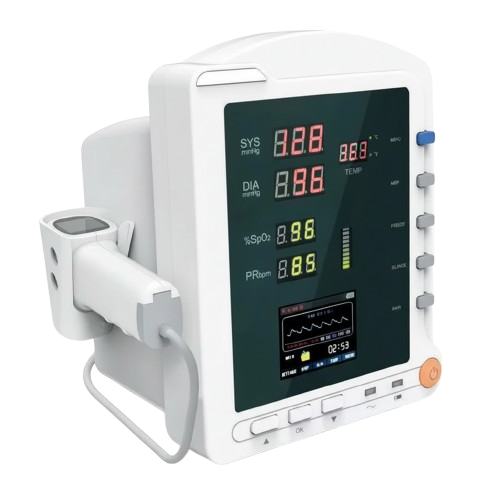
In modern hospitals, some of the most critical medical decisions are made not by sudden alarms but by subtle changes in numbers and waveforms. Patient monitors, often overlooked by the general public, are among the most important technologies in critical care medicine. These devices continuously track vital signs, allowing healthcare professionals to detect complications before they become life-threatening emergencies.
Why Continuous Monitoring is Essential in Hospitals
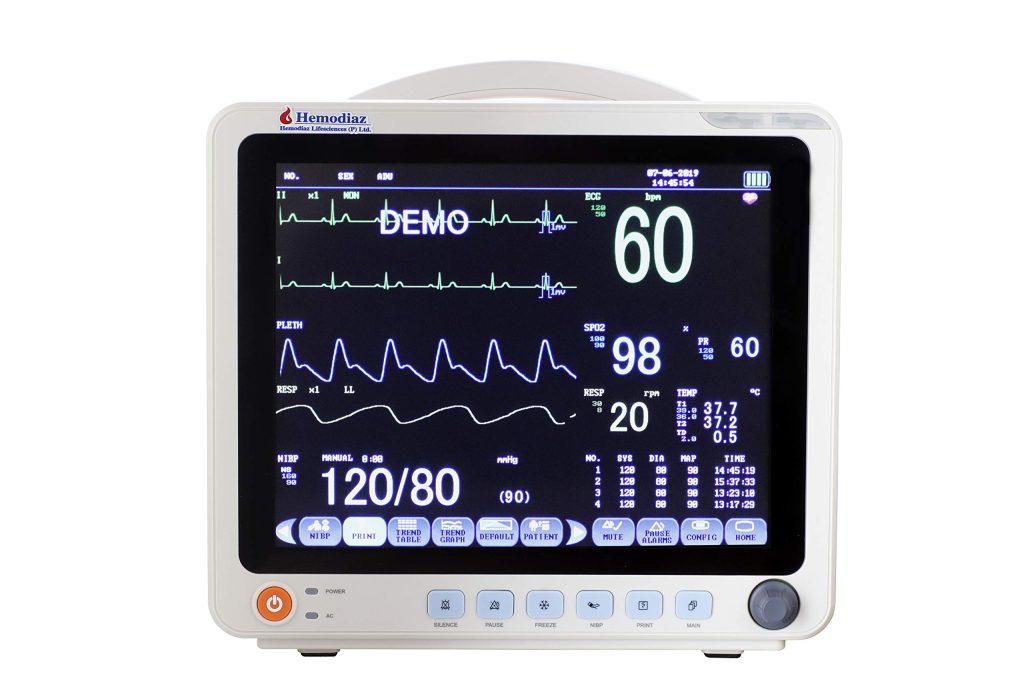
Patient monitoring systems provide real-time information about a patient’s physiological condition. These devices track multiple vital parameters including heart rate, blood pressure, oxygen saturation, respiratory rate, and body temperature.
In intensive care units and operating rooms, this continuous stream of information allows doctors and nurses to respond immediately to changes in a patient’s condition. As many healthcare professionals say, “A monitor doesn’t treat the patient, but it ensures the doctor never loses sight of the patient.”
Key Vital Parameters Monitored by Modern Systems
Multiparameter patient monitors track several critical indicators simultaneously.
Electrocardiography (ECG)
Detects abnormal heart rhythms and cardiac activity.
SpO₂ Monitoring
Measures oxygen levels in the bloodstream.
Blood Pressure Monitoring
Provides continuous or periodic measurement of blood pressure.
Respiratory Monitoring
Tracks breathing patterns and respiratory stability.
These parameters together provide a comprehensive overview of a patient’s physiological condition
The Evolution of Smart Monitoring Technology
Advances in medical technology have transformed patient monitors into intelligent systems capable of early warning detection. Many modern monitors include alarm management systems, integrated data storage, and connectivity with central monitoring stations.
These systems allow doctors to monitor multiple patients simultaneously, making hospital operations more efficient and improving patient safety.
Conclusion
Patient monitoring systems are the quiet guardians of modern healthcare. While patients may rarely notice them, these devices provide clinicians with the data needed to detect complications early and deliver timely treatment.
Call to Action
Healthcare facilities should invest in advanced patient monitoring systems that provide accurate data, reliable alarms, and seamless integration with hospital networks.