
Introduction
Cardiovascular diseases remain one of the leading causes of mortality worldwide, making early diagnosis more critical than ever. At the center of this diagnostic process lies one of the most widely used medical devices in healthcare: the electrocardiogram (ECG) machine. Yet many clinics and hospitals purchase ECG systems based only on price or brand reputation. Choosing the right ECG machine requires a deeper understanding of clinical needs, workflow efficiency, and technological capability.
The Role of ECG Machines in Modern Diagnostics
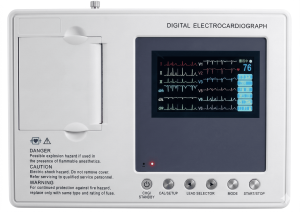
Electrocardiography is not just a routine test — it is often the first signal that something is wrong with the heart. ECG machines record the electrical activity of the heart and help physicians detect arrhythmias, myocardial infarctions, conduction abnormalities, and other cardiac conditions.
In modern healthcare systems, ECG machines have evolved from simple paper-based recorders into intelligent diagnostic tools capable of storing patient history, analyzing waveforms, and integrating with hospital data systems. A reliable ECG device can significantly reduce diagnostic delays and improve clinical decision-making.
Key Features Healthcare Facilities Should Consider
When evaluating ECG machines, healthcare providers should consider several important features.
Number of Channels
Three-channel ECG machines are typically suitable for small clinics, while six- or twelve-channel systems provide more comprehensive analysis for hospitals and diagnostic centers.
Display and Interface
A clear digital display allows clinicians to review waveforms instantly. User-friendly interfaces are essential in high-pressure environments such as emergency departments.
Portability and Battery Backup
Portable ECG systems with strong battery support are essential for bedside monitoring and emergency situations.
Data Storage and Connectivity
Modern ECG machines can store hundreds of patient reports and allow easy transfer of data through USB, network, or wireless connectivity.
Why Technology is Transforming Cardiac Diagnostics
The newest generation of ECG devices includes automated interpretation algorithms and digital reporting capabilities. These innovations allow healthcare professionals to analyze cardiac data faster and share results instantly across medical networks.
As healthcare becomes increasingly digital, ECG systems are evolving from standalone machines into integrated diagnostic platforms that support remote consultations, telemedicine, and long-term patient monitoring.
Conclusion
Selecting the right ECG machine is not simply a purchasing decision; it is an investment in diagnostic accuracy and patient safety. Healthcare facilities must consider clinical requirements, workflow efficiency, and technological capabilities when choosing an ECG system.
Call to Action
Healthcare providers seeking reliable ECG systems should partner with trusted medical equipment suppliers who understand hospital workflows and clinical requirements. The right equipment can significantly improve diagnostic efficiency and patient outcomes.